

Global Needle-Free Injection Market to Grow at 15% CAGR Through 2031 Driven by Diabetes Care and Vaccine Demand
Needle-Free Injection Market
Needle-free injectors are transforming drug delivery with painless, safer technology for vaccines, insulin, and biologics worldwide.
Expanding biologics pipelines and global vaccination drives are creating strong growth opportunities for advanced needle-free delivery systems.”
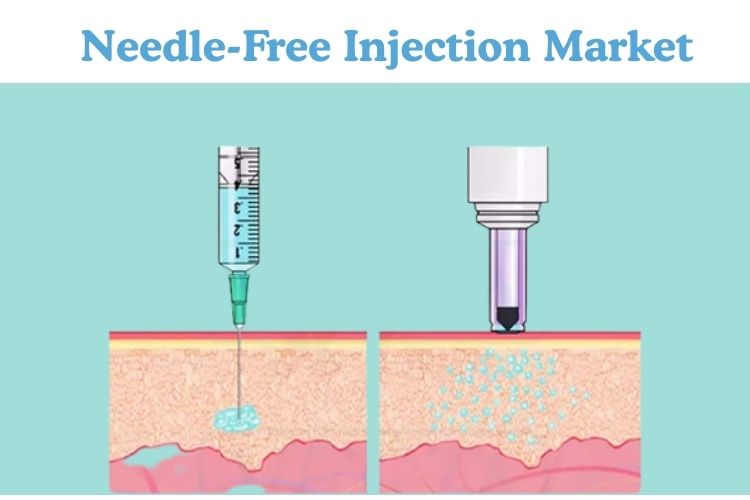
AUSTIN, TX, UNITED STATES, February 19, 2026 /EINPresswire.com/ -- The Needle-Free Injection Market is witnessing significant momentum as healthcare providers, pharmaceutical companies, and public health agencies increasingly shift toward safer and more patient-friendly drug delivery technologies. Needle-free injection systems, often referred to as needleless injectors or jet injectors, deliver medications through a high-pressure stream that penetrates the skin without the use of conventional hypodermic needles. These devices are gaining strong traction due to their ability to minimize needle-stick injuries, reduce pain and anxiety associated with injections, and enhance medication adherence. According to DataM Intelligence, the Global Needle Free Injection Market is estimated to reach a CAGR of 15% during the forecast period 2024–2031, reflecting robust demand across therapeutic and vaccination applications.— DataM Intelligence
The growth of the needle-free injection market is primarily driven by the rising global burden of chronic diseases such as diabetes, autoimmune disorders, and hormonal deficiencies, which require frequent injections. Increasing immunization programs, growing awareness regarding needle-stick injury prevention, and advancements in biologics and biosimilars are further strengthening market expansion. Subcutaneous needle-free injectors represent the leading segment due to their widespread use in insulin and biologic drug delivery. Geographically, North America holds the dominant market share owing to advanced healthcare infrastructure, high technology adoption, and strong regulatory support, while Asia-Pacific is emerging as the fastest-growing region due to expanding healthcare access and large-scale vaccination initiatives.
Get a Exclusive Sample PDF Of This Report (Get Higher Priority for Corporate Email ID):- https://www.datamintelligence.com/download-sample/needle-free-injection-market
Key Highlights from the Report:
➤ The global needle-free injection market is projected to grow at a CAGR of 15% during 2024–2031, driven by chronic disease management and immunization programs.
➤ Subcutaneous needle-free injection systems hold the largest market share due to increasing insulin and biologic therapy applications.
➤ North America dominates the market owing to technological innovation and high adoption of advanced drug delivery devices.
➤ Rising cases of needle-stick injuries are accelerating the shift toward needleless injection technologies in hospitals and clinics.
➤ Vaccine delivery applications are witnessing strong growth due to government-supported immunization initiatives.
➤ Asia-Pacific is expected to register the fastest growth rate due to expanding healthcare infrastructure and rising patient awareness.
Recent Developments:
October 2025: PharmaJet expanded its Tropis® intradermal delivery platform with new compatibility studies for mRNA and DNA-based vaccines. The development enhances dose-sparing capabilities and supports mass immunization programs, particularly in emerging markets.
September 2025: Portal Instruments introduced an upgraded computer-controlled jet injector system featuring precision depth control and reduced pain perception. The innovation targets biologics and specialty drug administration, improving patient compliance in chronic disease management.
August 2025: Antares Pharma (a subsidiary of Halozyme Therapeutics) advanced its needle-free auto-injector pipeline for hormone therapies and emergency treatments, focusing on enhanced safety locks and digital dose tracking features.
July 2025: Crossject reported progress on its ZENEO® needle-free platform for emergency drug delivery, emphasizing rapid administration and ease of use in military and civilian emergency care settings.
Mergers & Acquisitions:
November 2025: A global pharmaceutical delivery systems provider acquired a jet-injection technology startup to strengthen its portfolio in transdermal and intradermal drug administration platforms, expanding its footprint in vaccine and insulin delivery segments.
September 2025: A leading medical device manufacturer completed the acquisition of a digital health integration firm, enabling smart connectivity and real-time data monitoring for needle-free injector systems used in homecare settings.
July 2025: A multinational healthcare company acquired a specialty biologics delivery company to enhance its needle-free capabilities for monoclonal antibodies and high-viscosity formulations.
May 2025: A prominent vaccine manufacturer entered a strategic acquisition agreement with a needle-free injector developer to accelerate large-scale immunization programs in Asia-Pacific and Latin America, focusing on pain-free pediatric vaccination initiatives.
Company Insights:
The needle-free injection market is characterized by innovation-driven competition, with companies focusing on expanding product portfolios and forming strategic collaborations.
Antares Pharma
Endo International
PharmaJet
Fierce Pharma
Medical International Technology
INJEX Pharma
National Medical Products
European Pharma Group
PenJet Corporation
Crossject
Looking For A Detailed Full Report? Get it here: https://www.datamintelligence.com/buy-now-page?report=needle-free-injection-market
Market Segmentation:
The needle-free injection market is segmented by product type, technology, application, end-user, and region. Based on product type, the market includes liquid-based needle-free injectors, powder-based injectors, and depot or projectile-based systems. Among these, liquid-based systems dominate due to their compatibility with insulin, vaccines, biologics, and growth hormones. These systems use mechanical or gas-powered mechanisms to generate high-pressure streams for drug delivery.
From a technology perspective, the market is divided into spring-based, gas-powered, laser-powered, and vibration-based injectors. Spring-based needle-free injection systems lead the segment because of their reliability, cost-effectiveness, and ease of use in both clinical and home-care settings. Gas-powered systems are gaining traction for vaccine delivery and hospital applications due to their precision and controlled dosage administration.
In terms of application, the market covers vaccine delivery, insulin delivery, pain management, pediatric injections, and other therapeutic uses. Insulin delivery represents a substantial share of the needle-free injection market, driven by the increasing prevalence of diabetes globally. Vaccine delivery is another high-growth segment, especially as governments focus on improving immunization rates while reducing cross-contamination risks.
Based on end-users, the market is segmented into hospitals, clinics, home-care settings, and research institutions. Hospitals account for a major share due to higher patient volumes and procurement capabilities. However, home-care settings are growing rapidly, supported by the increasing demand for self-administration devices for chronic disease management.
Regional Insights:
North America holds the largest share of the global needle-free injection market. The region benefits from advanced healthcare systems, strong R&D investments, and widespread awareness regarding occupational safety. The high prevalence of diabetes and supportive reimbursement frameworks further enhance device adoption in the United States and Canada.
Europe follows closely, supported by government-backed vaccination programs, stringent safety regulations, and increasing investment in innovative drug delivery technologies. Countries such as Germany, the UK, and France are key contributors to regional growth.
Asia-Pacific is projected to witness the fastest growth during the forecast period. Rapid urbanization, increasing healthcare expenditure, and rising prevalence of chronic diseases in countries like China, India, and Japan are accelerating market expansion. Large-scale immunization drives and growing awareness about needle-free drug delivery systems further contribute to growth in this region.
Latin America and the Middle East & Africa are emerging markets with untapped potential. Improving healthcare infrastructure and government initiatives aimed at reducing healthcare-associated infections are expected to support gradual adoption of needleless injection devices.
Market Dynamics:
Market Drivers:
A major driver of the needle-free injection market is the increasing prevalence of chronic diseases that require frequent injections, particularly diabetes. Patients requiring daily insulin injections are increasingly opting for painless and convenient alternatives to traditional syringes. Needle-free injectors improve patient compliance and reduce injection-related anxiety.
Another critical driver is the growing concern over needle-stick injuries among healthcare workers. Traditional syringes pose risks of bloodborne pathogen transmission, making needleless injection systems a safer alternative. Additionally, mass vaccination campaigns and global immunization programs are creating sustained demand for efficient and contamination-free drug delivery systems.
Technological advancements, including the development of reusable devices and smart injectors with digital dose tracking capabilities, are further supporting market growth. Pharmaceutical companies are also exploring combination products that integrate biologic drugs with needle-free delivery platforms.
Market Restraints:
Despite strong growth prospects, the market faces challenges such as high initial device costs compared to conventional syringes. Budget constraints in low- and middle-income countries may hinder widespread adoption.
Compatibility limitations with certain high-viscosity drugs and regulatory complexities associated with combination drug-device approvals can also delay commercialization. Furthermore, the need for user training and awareness programs may slow initial adoption in some healthcare settings.
Market Opportunities:
The expanding biologics and biosimilars pipeline presents substantial opportunities for needle-free injection system manufacturers. Strategic partnerships between pharmaceutical companies and medical device firms can accelerate product development and market penetration.
Growing demand for self-administration devices in home-care settings offers long-term growth potential. Additionally, increasing vaccination coverage in emerging economies provides a strong opportunity for market expansion.
Advancements in wearable drug delivery systems and personalized medicine are expected to further diversify application areas and drive innovation in needle-free injection technologies.
Get Customization in the report as per your requirements: https://www.datamintelligence.com/customize/needle-free-injection-market
Reasons to Buy the Report:
✔ Obtain detailed insights into the global needle-free injection market growth at a projected CAGR of 15% through 2031.
✔ Understand key drivers, restraints, and emerging opportunities influencing market dynamics.
✔ Analyze competitive strategies and technological advancements shaping the industry landscape.
✔ Identify high-growth regional markets and investment opportunities.
✔ Access comprehensive segmentation analysis for strategic business planning.
Frequently Asked Questions (FAQs):
◆ How Big is the Global Needle-Free Injection Market?
◆ What is the Projected Growth Rate of the Needle-Free Injection Market from 2024 to 2031?
◆ Who are the Key Players in the Global Needle-Free Injection Market?
◆ What is the Market Forecast for 2031?
◆ Which Region is Expected to Dominate the Needle-Free Injection Industry during the Forecast Period?
Conclusion:
The global needle-free injection market is on a strong growth trajectory, projected to expand at a CAGR of 15% during 2024–2031, according to DataM Intelligence. Rising chronic disease prevalence, increasing vaccination efforts, and growing awareness of needle-stick injury prevention are driving adoption worldwide. While cost and regulatory challenges remain, continuous technological advancements and expanding pharmaceutical collaborations are expected to unlock significant opportunities.
As healthcare systems move toward safer, more patient-centric drug delivery solutions, needle-free injection technologies are set to become a cornerstone of modern therapeutic and immunization strategies.
Related Reports:
Needle Free Blood Drawing devices Market
Needle-Free IV Connectors Market
Sai Kiran
DataM Intelligence 4Market Research
+1 877-441-4866
email us here
Visit us on social media:
LinkedIn
X
Legal Disclaimer:
EIN Presswire provides this news content "as is" without warranty of any kind. We do not accept any responsibility or liability for the accuracy, content, images, videos, licenses, completeness, legality, or reliability of the information contained in this article. If you have any complaints or copyright issues related to this article, kindly contact the author above.
