

Omega-3 Sustainability. The important role, health benefits & evidence of SDA reviewed systematically
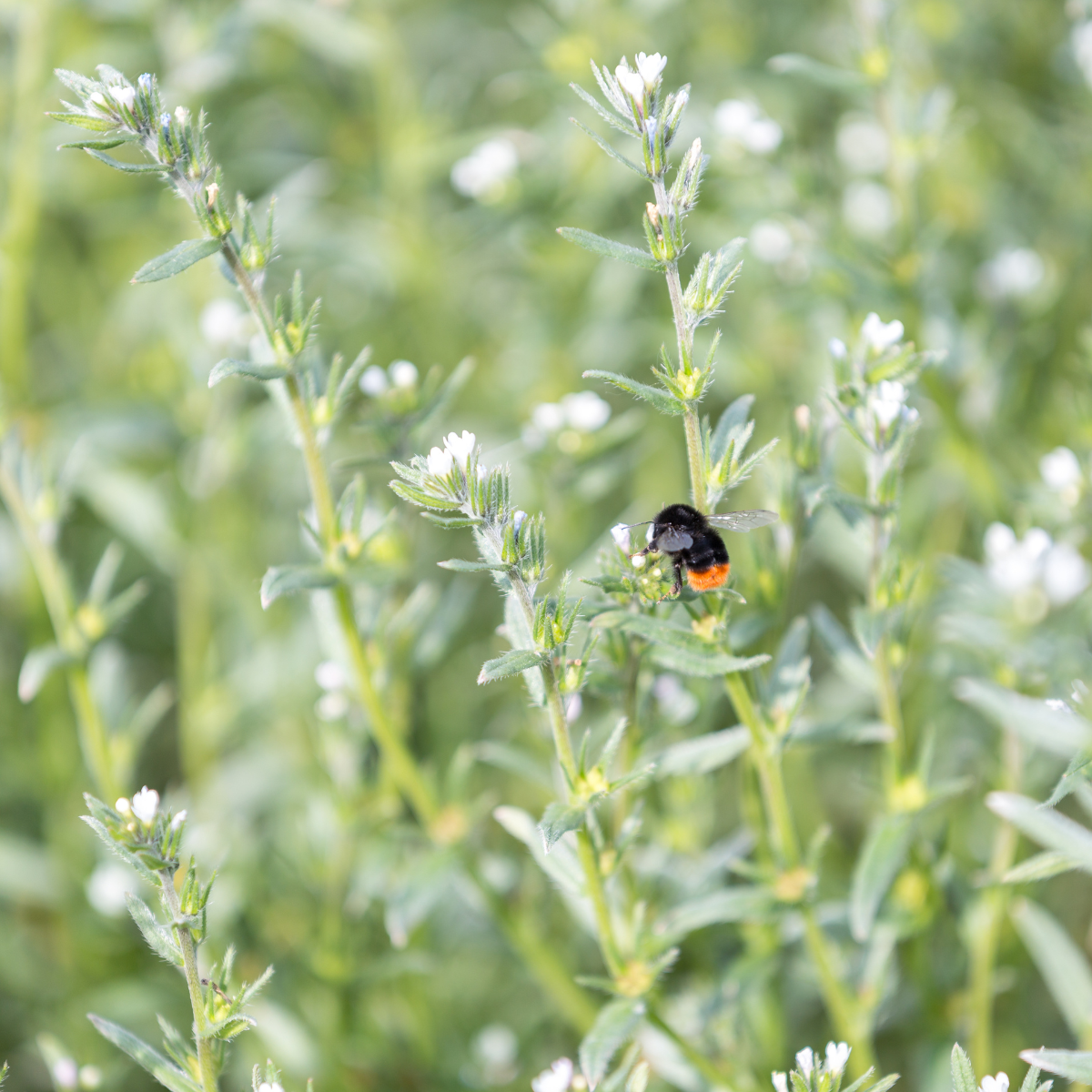
Ahiflower®
Omega-3 stearidonic acid (SDA), a commercially trending omega-3 polyunsaturated fatty acid (PUFA) just received its first systematic literature review from over 120 published papers over the last 10 years. The pace and amount of research in SDA has grown by 40% in the last decade. Attention on SDA and its sources is growing rapidly because SDA is now widely accepted to improve or maintain omega-3 EPA/DHA status effectively in brain, heart, liver, and adipose tissues, up to 5-6x faster than omega-3 ALA from typical sources like flaxseed oil.
In this new review, SDA’s dietary oil sources led by Buglossoides arvensis (Ahiflower®), recognized as “the top natural producer of SDA”, were covered extensively, alongside echium, hemp, and black currant seed oils containing lesser SDA levels. The authors’ objective was to provide “an integrated systematic synthesis of the present knowledge on SDA” for the benefit of “…new researchers and industry professionals trying to identify alternative potential solutions to meet the rising global PUFA demand.”
SDA: Pro-EPA anti-inflammatory tissue response and cell membrane signaling
The reviewers summarize accepted research going back 20+ years showing that dietary SDA oils significantly raise EPA levels across all blood types in humans, typically 2.5 to 4 times more than oils containing only omega-3 ALA. They summarize benefits of improved EPA status in terms of supporting inflammation resolution in cell membranes and EPA’s helpful metabolic competition with arachidonic acid (ARA) involved in pro-inflammatory signaling. They point out that in humans, dietary Ahiflower oil has been shown to improve EPA status in a similar range (3-4x) as from EPA/DHA dietary trials.
SDA: Faster DHA turnover, meeting the body’s DHA requirements efficiently
The authors also cover recent 2024 research demonstrating that Ahiflower oil forms and replaces new DHA in the brain and liver (aka ‘turnover’) at comparable rates to DHA itself, yet more rapidly than ALA-only flaxseed oil, due to Ahiflower oil’s SDA content. They indicate how this can meet the brain’s estimated ~4 mg/day DHA requirement naturally, through endogenous turnover, at only 1 g/day of Ahiflower oil. They recognize even more recent 2025 research showing how elevated DHA intakes can inhibit the body’s natural process of forming new DHA from ALA, SDA, and EPA dietary sources, akin to knocking out key liver enzymes involved in the process. They also cover practical applications of Ahiflower milled seed feeding, for example, in layer hens where Ahiflower has been shown to raise DHA content in egg yolks significantly up to 32% higher than from flaxseeds — without incurring any PUFA inhibition from DHA itself. This reinforces wider food-chain nutritional benefits of SDA feeding.
SDA: Recognized Whole-Body Anti-Inflammatory and Healthspan Benefits
The final part of the review discusses SDA’s consistent anti-inflammatory effects across a range of cell and tissue types. The authors summarize SDA’s capacity to weaken chronic inflammatory signaling by blocking or inhibiting pro-inflammatory signaling markers and enhancing endothelial markers of higher nitric oxide production, associated with better blood circulation while lowering lowering vascular inflammation markers. They cover evidence that lower daily intakes of SDA-rich Ahiflower oil shows comparable or superior reduction in induced joint inflammation to standard fish oil at the same intakes in mice. They provide corroborating evidence of reduced inflammasome activation from SDA sources supporting full-term gestation, improved insulin sensitivity and metabolic response, and neuro-protection. They state, “All these observations signify that plant-based SDA can act as an authentic anti-inflammatory product across innate immune and vascular compartments, alternate to marine sources.”
Plant-Based Omega-3 Sources Can Meet Everyday Needs
Because SDA by-passes the need for a key liver enzyme required to metabolize plant-based ALA into EPA and DHA, the richest plant-based SDA sources are seen by the study’s authors as having promise for overcoming omega-3 deficiency, particularly in the Western diet. They observe: “It can be safely concluded that ALA and SDA rich plant based diet like echium or ahiflower oil (possibly combined with algal DHA for optimal nutrition) can sustain physiologically sufficient EPA and DHA content terminating the reliance on marine sources.” They further advocate for more research that addresses questions about dietary SDA’s population-specific effects and drug–nutrient interactions which, they write “…could enable extensive utilization of SDA-rich oils in food and feed industries.”
Greg Cumberford, Natures Crops International's Science Lead said, “This first systematic literature review of omega-3 SDA adds important support for brands, brand holders, and co-manufacturers in supplements, foods, and beverages who are earnestly looking for ways to achieve better nutrient-density, insulin sensitivity, and whole-body anti-inflammatory ‘look well, move well, feel well’ benefits in skin and joints from omega-3 sources, yet at no trade-offs to taste or consumer convenience.” As more consumers seek clean-tasting, shelf-stable delivery formats like RTM powders and squeeze-pack emulsions that meet families, kids, and active seniors where they are in their busy lives, the accumulating scientific evidence for the highest plant-based SDA sources is hard to dispute.
About Natures Crops International
A manufacturer of specialty oils for dietary supplements, nutraceuticals, food, personal care and animal nutrition products, Natures Crops International (NCI) produces oils from the highest quality crops, produced by growers who follow strict management protocols for sustainability and identity preservation. NCI ensures the crops produced are grown, processed, packaged, and delivered in a safe, sustainable, traceable, and cost-competitive manner. The company has operations in Prince Edward Island, Canada and the United Kingdom, with headquarters in North Carolina. For more information, please write to info@naturescrops.com.
Jacqueline Rizo
Natures Crops International
email us here
Visit us on social media:
LinkedIn
YouTube
Legal Disclaimer:
EIN Presswire provides this news content "as is" without warranty of any kind. We do not accept any responsibility or liability for the accuracy, content, images, videos, licenses, completeness, legality, or reliability of the information contained in this article. If you have any complaints or copyright issues related to this article, kindly contact the author above.
